Water Filtration Explained: From the Basics to Choosing the Right System

Water Filtration Explained: From the Basics to Choosing the Right System

Clean water is essential for drinking, cooking, bathing, and protecting your home’s plumbing. But with so many filtration options available, choosing the right water filter can feel overwhelming.

This guide breaks water filtration down into simple, practical steps - from understanding the basics, to choosing the right system, and knowing when it’s time to replace your filters.


1) Why Water Filtration Matters

Even treated municipal water can contain sediment, chlorine, unpleasant tastes/odours, and in some cases bacteria (especially with borehole or tank water).

  • Better taste and smell (less chlorine and chemical odour)
  • Protects appliances and plumbing (less sediment and scale)
  • Cleaner drinking water with the right system
  • Extends lifespan of geysers, pumps, taps and filters

2) The Basic Stages of Water Filtration

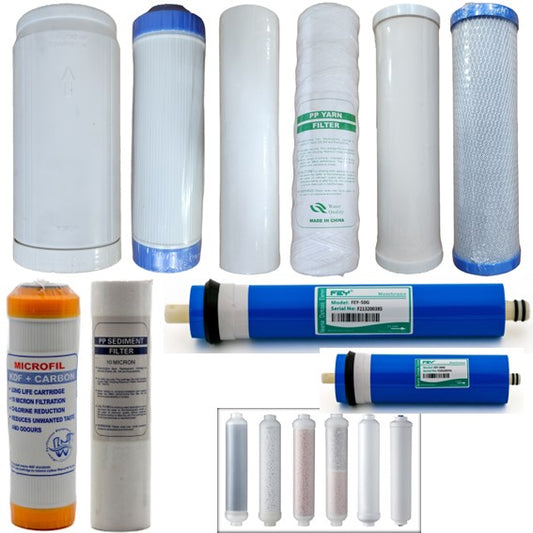
Most effective filtration uses a staged approach. Each stage targets different contaminants.

Stage 1: Sediment Filtration (Always start here)

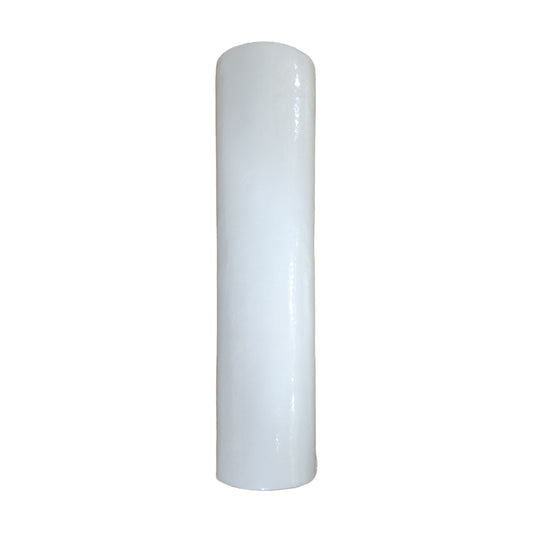
Sediment filters remove physical particles and protect your system from clogging.

  • Sand
  • Rust
  • Silt
  • Scale
  • Visible particles

Shop now: Sediment filter cartridges (Red Rhino)Woven sediment cartridges (Red Rhino)Sediment filter cartridges (WPE)Woven sediment cartridges (WPE)

Stage 2: Carbon Filtration (Taste, odour & chemicals)

Carbon filters focus on improving taste and reducing chlorine and chemical odours.

  • Chlorine taste and smell
  • Common chemical odours
  • Some organic compounds

Two common carbon types:

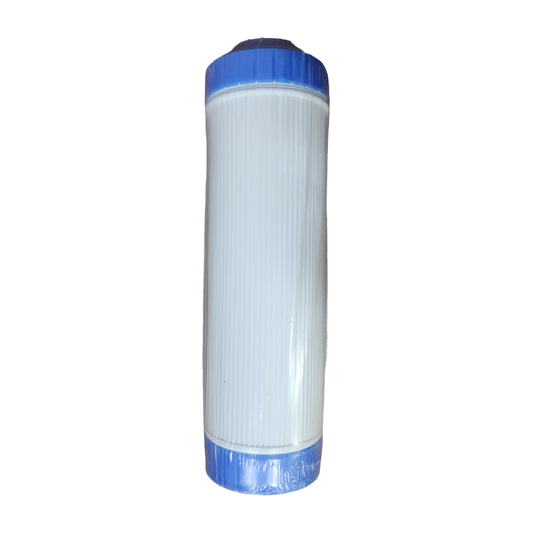
  • GAC (Granular Activated Carbon) – higher flow, great taste improvement
  • CTO (Carbon Block) – finer filtration, better “polishing”, typically lower flow

Shop now: GAC carbon filter cartridges (Red Rhino)CTO (carbon block) cartridges (Red Rhino)GAC carbon filter cartridges (WPE)CTO (carbon block) cartridges (WPE)

Stage 3: Advanced Filtration (Optional, depends on your water)

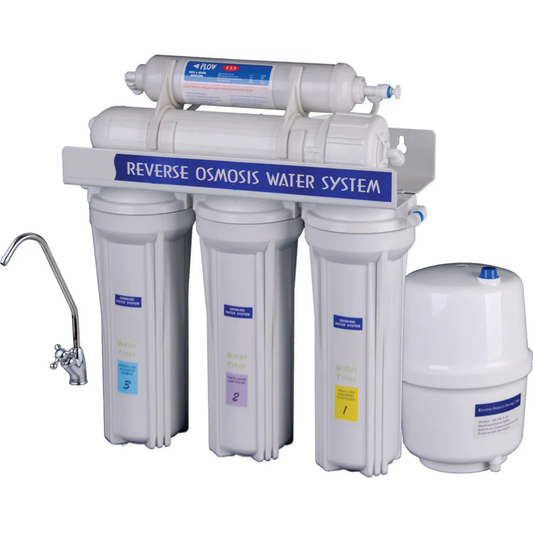
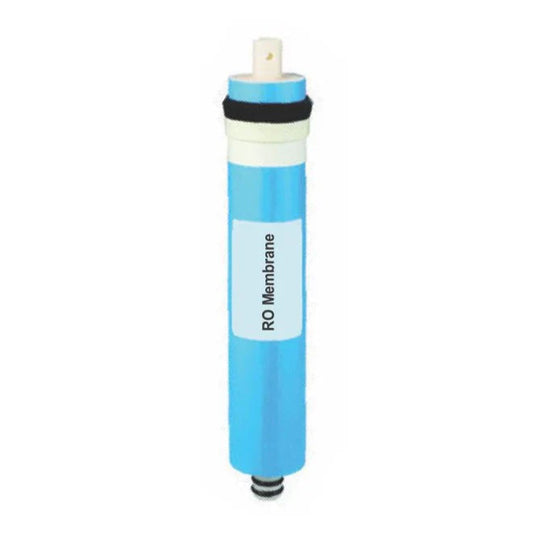
  • Reverse Osmosis (RO) – removes dissolved salts, metals and many contaminants
  • Ultra Filtration (UF) – reduces bacteria and microplastics with little/no water waste
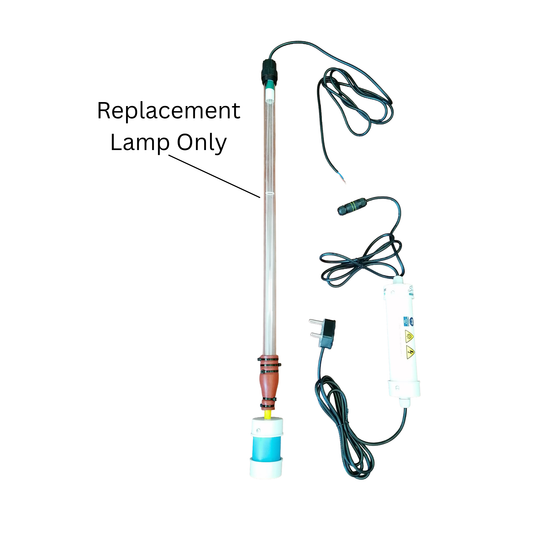
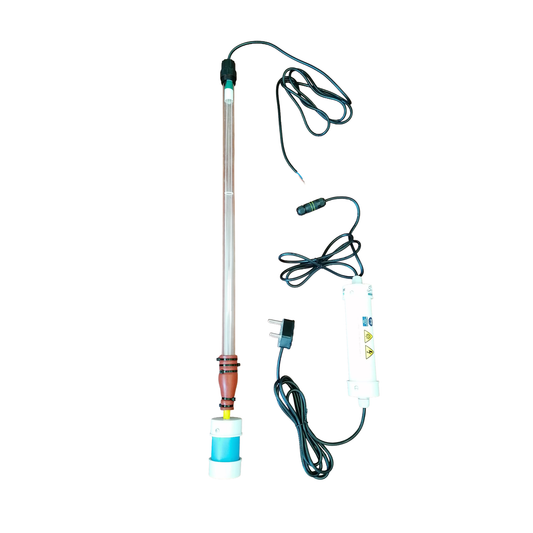
  • UV Sterilisation – reduces bacteria using ultraviolet light (best after pre-filtration)

3) Micron Ratings (Made Simple)

A micron is a measurement of particle size. The smaller the micron number, the finer the filtration.

Micron Rating Best For
1 Micron Fine filtration, clearer drinking water (may clog faster)
5 Micron General household use (best all-round choice)
10 Micron Coarse sediment / pre-filter before carbon
20 Micron Heavy sediment / first-stage filtration for borehole or tank water

Tip: Lower micron = finer filtration but faster clogging. Higher micron = better flow and longer filter life.

Explore systems: Under-counter RO & UF systemsUV steriliser (55W)


4) Choosing the Right Sediment Filter Type

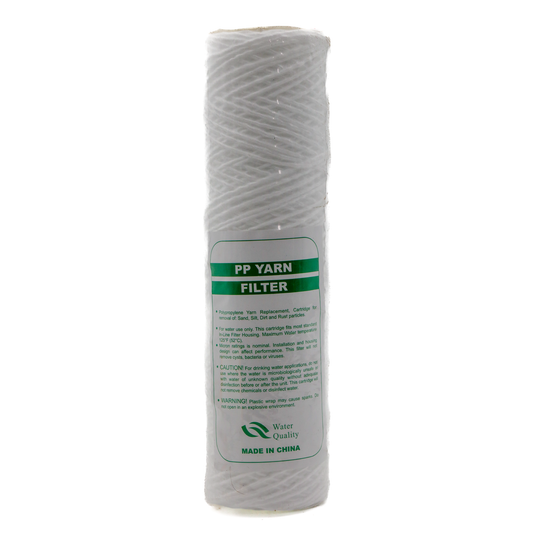
Spun Polypropylene (PP)

  • Standard sediment filtration
  • Affordable and effective
  • Best for municipal water or light sediment

Woven Polypropylene

  • Higher dirt-holding capacity
  • Lasts longer where water is dirtier
  • Great for borehole or tank water

Grooved Polypropylene

  • Designed for heavy sediment loads
  • Progressive filtration extends lifespan
  • Ideal as a first stage for very dirty water

5) Which Filtration System Should You Choose?

For Municipal Water

  • Sediment: 5 Micron spun PP
  • Carbon: GAC or CTO

Optional: add a tap filter or under-counter system for drinking water.

Recommended setup: 5 micron sediment cartridge + GAC carbon (or CTO carbon block)

For Borehole or Tank Water

  • Sediment: 10-20 Micron (woven or grooved)
  • Carbon: GAC +/or CTO
  • Optional: UV steriliser (recommended when microbial risk is possible)

Recommended setup: 10–20 micron woven sediment cartridge + carbon filtration (optional: UV steriliser)

For Drinking Water Only (Kitchen tap)

  • Under-counter RO or UF system (best result for drinking water)
  • Or a tap-mounted / countertop filter for a simpler setup

Options: Under-counter RO/UF systems for best results, or tap-mounted filters / countertop filters for simpler setups.

For Whole-House Filtration

  • Multi-stage system (sediment + carbon)
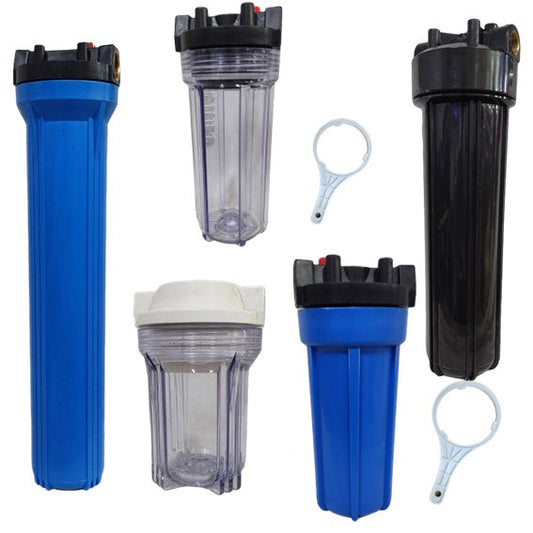
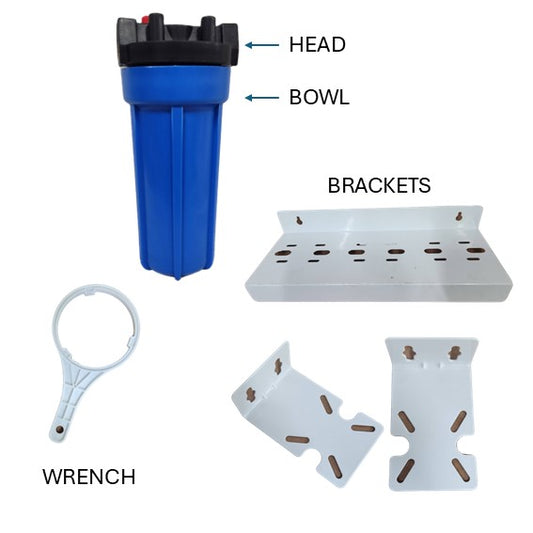
  • Big Blue housings for higher flow and longer filter life
  • Optional UV where bacterial contamination is a concern

Whole-house options: Big Blue 20” whole-house systemsfilter housings (Red Rhino)filter housings (WPE)Stainless steel systemsmounting brackets (Red Rhino)mounting brackets (WPE)


6) How to Know When to Change Your Filters

Replacing filters on time is critical for performance and water quality.

Typical Replacement Guidelines

Filter Type Typical Lifespan
Sediment filters 3-6 months
Carbon filters (GAC / CTO) 6-12 months
RO membranes 18-36 months
UF membranes 12-24 months
UV lamps 12 months

Signs Your Filter Needs Replacing

  • Noticeably reduced water flow
  • Bad taste or odour returns
  • Visible discolouration of the filter
  • Pressure drop in the system

Important: A clogged filter doesn’t just reduce flow - it can reduce filtration performance too. If in doubt, replace it.

Need replacements? Sediment cartridges (Red Rhino)Sediment cartridges (WPE)GAC carbon (Red Rhino)GAC carbon (WPE)CTO carbon block (Red Rhino)CTO carbon block (WPE)RO/UF replacement filters (Red Rhino)


7) Common Mistakes to Avoid

  • Skipping sediment filtration before carbon or RO
  • Choosing ultra-fine filters where flow is critical
  • Leaving filters unchanged for too long
  • Using the wrong housing size for the cartridge
  • Treating filtration as “set and forget”

8) Final Thoughts: Build a System That Matches Your Water

There is no one-size-fits-all filter. The best system matches your water source, balances flow and filtration quality, and is easy to maintain.

If you’re unsure, start with the basics:

Sediment → Carbon → Upgrade if needed


Need Help Choosing?

If you’d like help selecting the right filters for your home, borehole, or whole-house setup, contact us - we’ll guide you to the correct option based on your water source and goals.


Frequently Asked Questions

What is the difference between GAC and CTO carbon filters?

GAC (granular activated carbon) usually provides higher flow and excellent taste and odour improvement. CTO (carbon block) offers finer filtration and longer contact time, making it ideal for drinking water “polishing”.

What micron sediment filter should I use?

For municipal water, 5 micron is a good all-round choice. For borehole or tank water with heavier sediment, 10–20 micron often lasts longer and maintains better flow.

How often should water filters be replaced?

Sediment filters typically last 3–6 months, carbon filters 6–12 months, RO membranes 18–36 months, UF membranes 12–24 months, and UV lamps should be replaced annually.

How do I know when a filter needs replacing?

Signs include reduced water flow, pressure drop, bad taste or odour returning, or visible discolouration of the cartridge.

Do I need a sediment filter before carbon or RO filtration?

Yes. Sediment filtration protects carbon filters and RO/UF systems from clogging, improving performance and extending lifespan.

Water Filtration Related Products

View catalogue
1 of 12
Back to blog